

Risk of developing pediatric uveitis among patients with early-onset atopic dermatitis
Dr. Kavya K
MBBS, MD DVL
Paripoorna Medical Centre
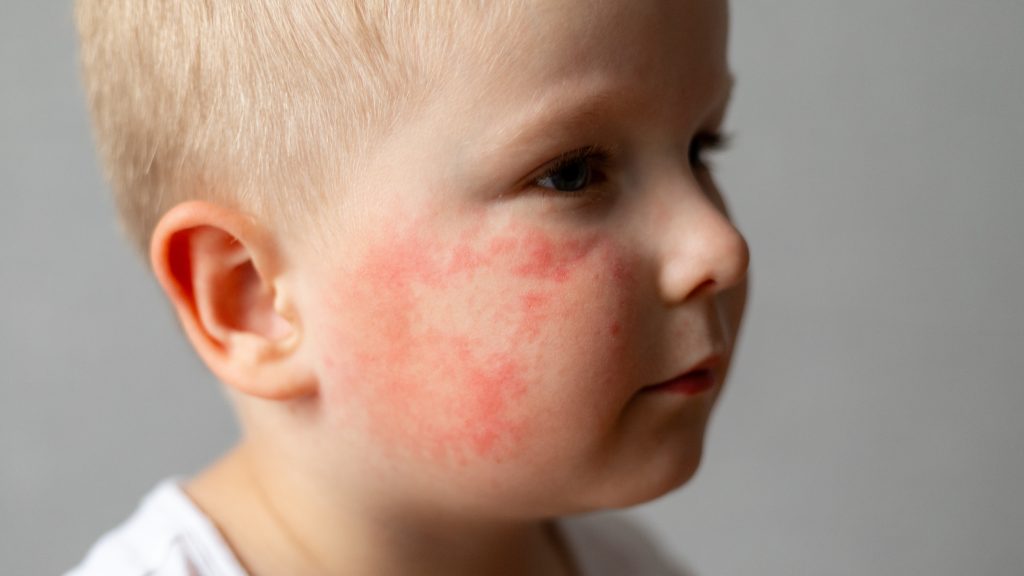
Children with early-onset atopic dermatitis (AD) face an increased risk of uveitis, as reported in a study.
Researchers used data from the TriNetX database. They identified 114,889 pediatric patients with early-onset AD cohort (mean age 0.5 years, 56.4% male) and 114,889 pediatric controls without AD (mean age 0.6 years, 56.9% male). Propensity score matching was applied to balance the characteristics. The mean follow-up was 6 years in the AD group and 6.6 years in the control group.
In Cox proportional hazards models, the risk of developing pediatric uveitis was nearly twofold higher in the AD group than in the control group (0.08% vs. 0.05%; hazard ratio [HR], 1.92, 95% confidence interval [CI], 1.38–2.66; p<0.001). Additionally, the AD group had a twofold greater risk of iridocyclitis compared with the control group (0.08% vs. 0.04%; HR, 2.09, 95% CI, 1.47–2.98).
In the AD cohort, the risk of pediatric uveitis rose threefold among those with severe disease compared to those with nonsevere disease (0.40% vs. 0.08%; HR, 3.64, 95% CI, 2.00–6.66; p<0.001). The same was true for iridocyclitis and chorioretinal inflammation.
In a sensitivity analysis that excluded dupilumab users, the risk of pediatric uveitis remained elevated among patients with early-onset AD vs. controls, indicating that the risk was independent of dupilumab use.
The findings of the study underscore the need to consider ophthalmologic monitoring in children with early-onset AD to try to detect and subsequently manage uveitis if it develops.
Reference: Chu YY, Sung CH, Lin YS, et al. Risk of developing pediatric uveitis among patients with early-onset atopic dermatitis. JAMA Ophthalmol. 2025;143(5):421–428.