

Tinea incognito (TI) is a dermatophyte infection with atypical features due to treatment with a topical immunosuppressive agent or systemic steroids. The primary cause of TI is the use of a topical corticosteroid, which is prescribed by a medical professional for a preexisting disorder or suggested for the treatment of a missed mycoses diagnosis. The development of TI results from the interaction of fungal infection, corticosteroid use, misdiagnosis and/or inappropriate treatment, and individual and environmental factors that affect the sensitivity and severity of the infection. A typical scenario begins with a misdiagnosis of TI as eczema (Figure 1), leading to the use of topical steroids that reduce inflammation and make the condition less irritable. The more topical steroids are applied, the more extensive and unrecognizable the fungal infection becomes. Furthermore, long-term use of topical steroids can cause skin atrophy, which complicates the diagnosis of TI. Thinning of the skin caused by atrophy may resemble the chronic phase of other skin conditions treated with prolonged steroid therapy, such as eczema, lupus erythematosus, psoriasis, or other non-fungal skin conditions. As topical steroid application continues, it becomes increasingly challenging to differentiate between these conditions and TI. Delayed treatment may allow the fungi to spread and invade deeper layers of the skin, nails, or hair, leading to more severe, resistant infections.
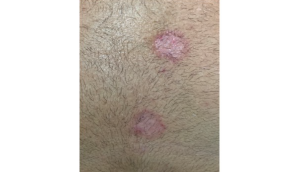
Differential diagnosis of tinea incognito
Discoid lupus erythematosus
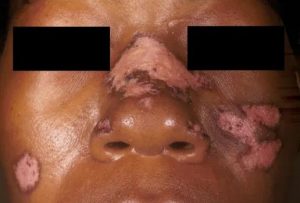
Distinguishing characteristics: Chronic erythematous plaques. Lesions are persistent rather than progressive with an active border
Erythema annulare centrifugum
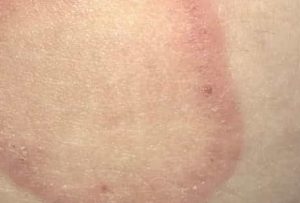
Distinguishing characteristics: It clinically presents as asymptomatic hypopigmented patches in young adults1
Nummular eczema

Distinguishing characteristics: Coin-shaped eczematous plaques. More diffuse inflammation without sharply defined borders
Rosacea
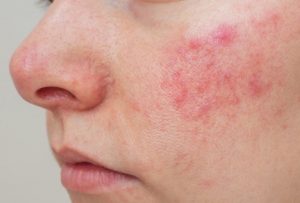
Distinguishing characteristics: Persistent centrofacial erythema. Lacks annular configuration
Early recognition of tinea incognito is essential, as steroid use can mask its hallmark features and delay appropriate antifungal therapy. Correct diagnosis depends on identifying steroid-altered morphology and distinguishing it from similar chronic inflammatory skin conditions
Reference:
- Zacharopoulou A, Tsiogka A, Tsimpidakis A, et al. Tinea incognito: Challenges in diagnosis and management. J Clin Med. 2024;13(11):3267.
Expert opinion – Dr. Ashish Shetty
Tinea incognito is a fungal skin infection in which the typical appearance becomes altered and atypical due to the use of topical steroids. In India, fungal infections are very common, and many patients first consult non-dermatologists for treatment. This increases the risk of misdiagnosis or inappropriate therapy, particularly when topical steroids are prescribed. Steroids modify the clinical features of the lesion, making diagnosis more difficult. In addition, steroid-related side effects; such as skin atrophy and local immunosuppression, can predispose patients to secondary infections. Tinea incognito is often mistaken for eczema or psoriasis, which further delays accurate treatment and complicates disease management.