

Characterization and treatment outcomes of biologic therapy in super-responders and biologic-refractory psoriasis patients: A single-center retrospective study in China.
Dr. Girish H
MBBS, DVD, DNB
Pushkar’s Skin, Hair & Laser Clinic
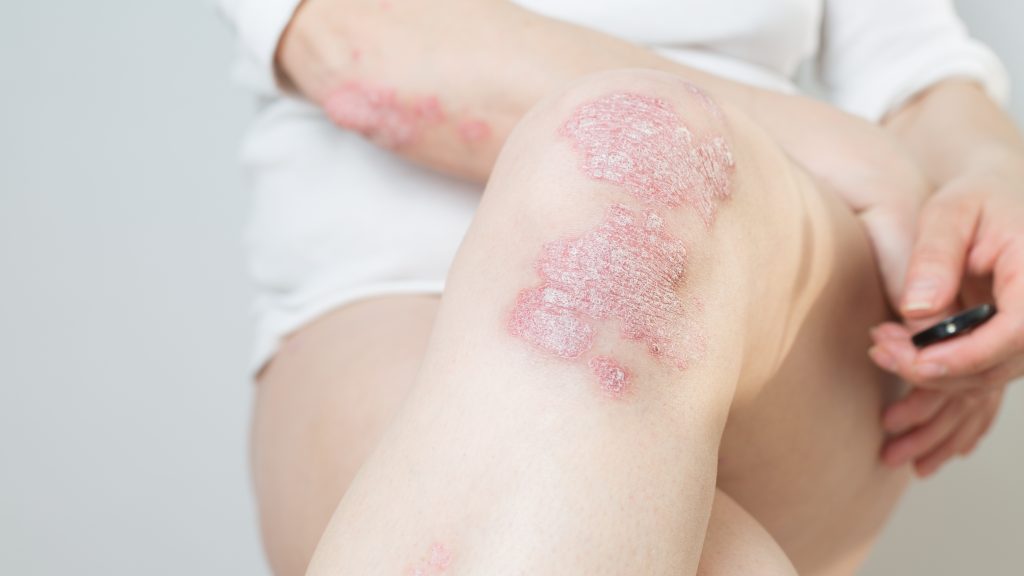
Despite advances in effective biologics for psoriasis over the past decade, the clinical characteristics, persistence, and safety linked to treatment response have not been systematically studied.
Several factors, including body masss index (BMI) and Charlson Comorbidity Index (CCI), can help predict treatment response among patients with psoriasis, according to a study.
A total of 737 patients with psoriasis, who started treatment with biologics, participated in this retrospective study. Among them, 140 (19%) were super-responders (SRs) and 34 (4.6%) were biologic-refractory patients (BRPs). Predictors for SRs and BRPs were identified using multivariable logistic regression. Finally, Kaplan-Meier plot analysis was performed to assess drug survival.
BMI <25 kg/m², lower CCI, the absence of psoriatic arthritis, a family history of psoriasis, and lower insulin resistance levels significantly correlated with SRs. On the other hand, BMI ≥30 kg/m², the presence of non-alcoholic fatty liver disease, higher psoriasis area and severity index, and higher erythrocyte sedimentation rate levels were independently associated with BRPs.
Furthermore, SRs often resulted in treatment persistence of biologic agents, while BRPs were associated with poor persistence and higher incidences of adverse events, particularly paradoxical eczema.
The findings of the study highlight predictors of response that could support more precise biologic selection, ensuring better persistence and safety in psoriasis management.
Reference: Liu Y, Hu K, Duan Y, et al. Characterization and treatment outcomes of biologic therapy in super-responders and biologic-refractory psoriasis patients: A single-center retrospective study in China. J Am Acad Dermatol. 2025;93(1):46–54.