

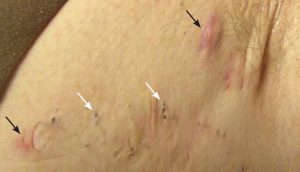
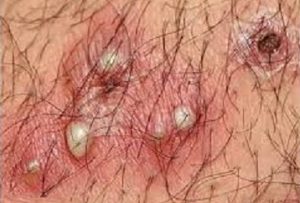
Hidradenitis suppurativa is a chronic folliculitis affecting intertriginous areas. Onset generally occurs in young adulthood to middle adulthood (ages 18 to 39). Females and blacks are more than twice as likely to be affected. Patients with hidradenitis suppurativa present on a disease spectrum ranging from rare, mild inflammatory nodules to widespread abscesses, sinus tracts, and scarring. The disease can affect different parts of the body. Defining features include painful, deep-seated nodules (Figure 1) of varying size (0.5 to 2 cm) lasting days to months; abscesses (typically sterile) with malodorous, purulent drainage; open double “tombstone” comedones resulting from damage to the folliculopilosebaceous unit and loss of sebaceous glands; interconnecting sinus tracts; scarring, fissures, and contractures in severe disease; and chronic, bilateral disease with a recurrent course.
Differential diagnosis of hidradenitis suppurativa
Acne conglobate
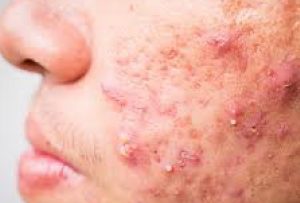
Distinguishing characteristics: Severe nodular acne on the back, chest, face, and neck; predominantly affects men
Cutaneous Crohn’s disease
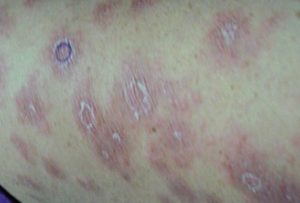
Distinguishing characteristics: Perianal lesions with extension of fistulous tracts past the dentate line
Granuloma inguinale
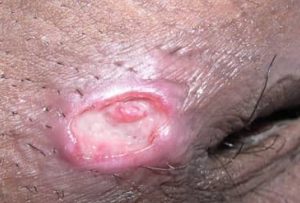
Distinguishing characteristics: Genital ulcerations and subcutaneous
Lymphogranuloma venereum
Distinguishing characteristics: Unilateral groin adenopathy; proctocolitis in men who have sex with men
Hidradenitis suppurativa is diagnosed clinically and can usually be differentiated from other conditions based on its clinical presentation. Skin biopsy can help differentiate hidradenitis suppurativa from other diagnoses, such as cutaneous Crohn disease in those with perianal involvement.
Reference:
- Wipperman J, Bragg DA, Litzner B. Hidradenitis Suppurativa: rapid evidence review. Am Fam Physician. 2019;100(9):562–569.
Expert opinion – Dr. Vishnu Moodalgiri
The diagnosis of hidradenitis suppurativa (HS) is primarily clinical, relying on a combination of characteristic history and physical examination findings. Accurate identification depends on recognizing typical chronic, recurrent lesions, such as painful nodules, abscesses, sinus tracts, and scarring, occurring bilaterally and distributed in classic intertriginous areas like the axillae, groin, perineum, and inframammary folds. These hallmark features serve as essential clues for achieving a timely and correct diagnosis, helping clinicians distinguish HS from other causes of recurrent skin infections.