

Acne lesions typically occur on the face, chest, or upper back. The lesions may be noninflammatory closed comedones (i.e., papules formed by the accumulation of sebum/keratin within the hair follicle; also called whiteheads), open comedones (i.e., distension of the hair follicle with keratin leads to opening of the follicle, oxidation of lipids, and deposition of melanin; also called blackheads); or inflammatory papules, nodules, pustules, and cysts. Inflammatory lesions result from follicle rupture triggering an inflammatory response. Based on the extent and types of lesions, acne severity may be classified as mild, moderate, or severe (Figures 1, 2 and 3).1
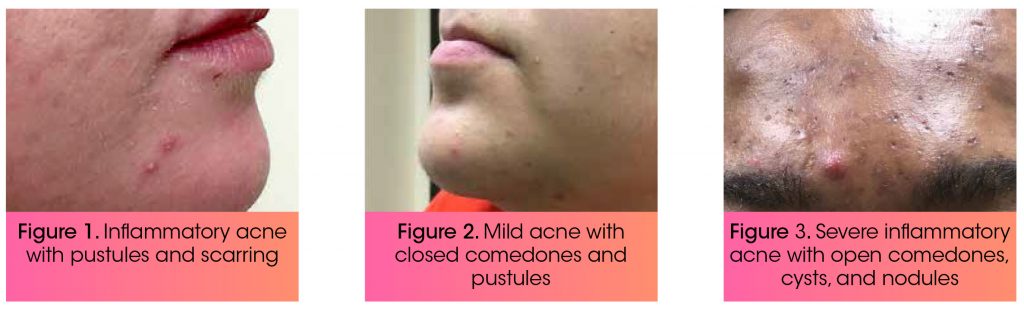
DIFFERENTIAL DIAGNOSIS OF ACNE VULGARIS
Several skin conditions should be considered in the differential diagnosis of acne.1
Hidradenitis suppurativa
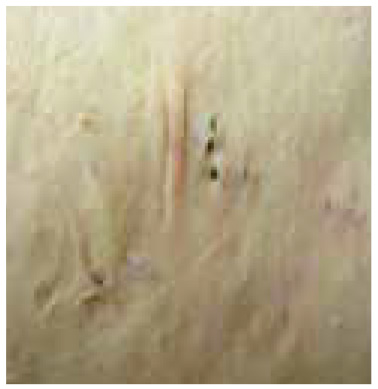
Typical appearance of an open double “tombstone” comedone3
Distinguishing characteristics: Double-headed comedones (two pustules), inflamed nodules with abscesses, a predilection for intertriginous areas, and sinus tracts.1
Rosacea
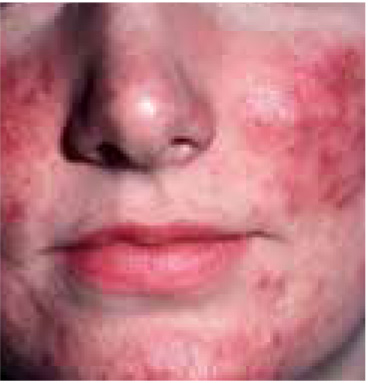
Very marked erythema with papules and pustules, no comedones4
Distinguishing characteristics: Erythema and telangiectasia, absence of
comedones.1
Perioral dermatitis
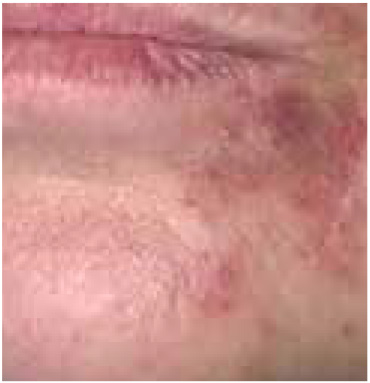
Small, raised bumps can merge to form larger red, elevated lesions5
Distinguishing characteristics: Papules, pustules, and erythema confined to the chin and nasolabial folds with sparing of the area directly adjacent to the vermilion border.1
Facial lesions can often be mistaken for acne vulgaris, but several differential diagnoses and acne variants must be considered to ensure accurate clinical decision-making. Recognizing these alternatives is crucial for providing patients with appropriate and effective treatment.
This is especially important when patients present with atypical facial lesions or fail to respond to standard acne treatments.6
References:
-
- Oge’ LK, Broussard A, Marshall MD. Acne vulgaris: Diagnosis and treatment. Am Fam Physician. 2019;100(8):475–484.
- Folliculitis. Available at: https://www.mayoclinic.org/diseases-conditions/folliculitis/symptoms-causes/syc-20361634. Accessed on 17 December 2024.
- Wipperman J, Bragg DA, Litzner B. Hidradenitis suppurativa: Rapid evidence review. Am Fam Physician. 2019;100(9):562–569.
- Rosacea. Available at: https://www.pcds.org.uk/clinical-guidance/rosacea. Accessed on 17 December 2024.
- Perioral dermatitis. Available at: https://skinsight.com/skin-conditions/perioral-dermatitis/. Accessed on 17 December 2024.
- Bort NL. Differential diagnosis and variants of acne vulgaris. Womens Healthcare. 2023;11(2):26–31.
Expert opinion – Dr. Harshwardhan Gowda
Facial lesions resembling acne vulgaris can often have other underlying causes, making an accurate diagnosis essential. Conditions such as folliculitis, hidradenitis suppurativa, rosacea, and perioral dermatitis may mimic acne but have distinct clinical features. Careful evaluation, including the presence or absence of comedones and lesion distribution, helps in differentiation. This is particularly important in cases with atypical presentation or poor response to standard acne treatments, as correct diagnosis ensures targeted and effective management.