

Atopic dermatitis is a chronic skin inflammation that occurs in people of all ages but is more common in children. The condition is characterized by intense pruritus and a course marked by exacerbations and remissions. Atopic dermatitis has been reported to affect 10% of children. Although the symptoms of atopic dermatitis resolve by adolescence in 50% of affected children, the condition can persist into adulthood. Poor prognostic features include a family history of the condition, early disseminated infantile disease, female gender and coexisting allergic rhinitis and asthma. The skin lesions observed in atopic dermatitis vary greatly, depending on the severity of inflammation, different stages of healing, chronic scratching and frequent secondary infections. Acute lesions are papules and vesicles on a background of erythema. Subacute lesions may develop scales and lichenification. Chronically involved areas become thick and fibrotic, and nodules often develop within the plaques (Figure 1). Lesions at any stage can develop secondary infections, which may resemble impetigo, with crusting and weeping lesions. When the lesions resolve, areas of hyperpigmentation or hypopigmentation persist.
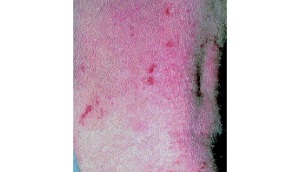
Differential diagnosis of atopic dermatitis
Neurodermatitis
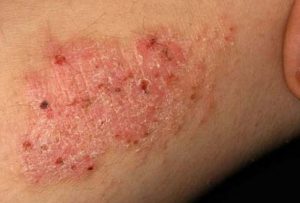
Distinguishing characteristics: Usually, a single patch in an area accessible to itching; absence of family history
Contact dermatitis
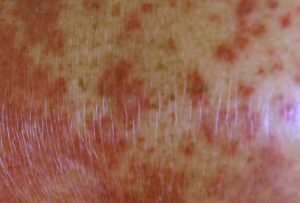
Distinguishing characteristics: Usually, a single patch in an area accessible to itching; absence of family history
Dermatitis herpetiformis
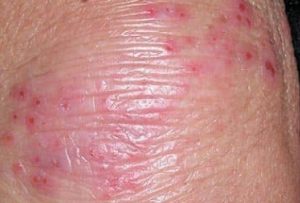
Distinguishing characteristics: Vesicles over extensor areas and associated enteropathy
Dermatophyte infection
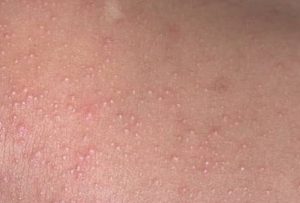
Distinguishing characteristics: Serpiginous plaques with central clearing, positive potassium hydroxide preparation
Because the skin lesions in atopic dermatitis can take many forms (papules, vesicles, plaques, nodules and excoriations), the differential diagnosis of atopic dermatitis is extensive. Conditions to consider in patients with pruritus include seborrheic dermatitis, psoriasis, and neurodermatitis.
Reference:
- Correale CE, Walker C, Murphy L, Craig TJ. Atopic dermatitis: A review of diagnosis and treatment. Am Fam Physician. 1999;60(4):1191–1198.
Expert opinion – Dr. Manjunath Hulmani
Atopic dermatitis is a common condition frequently encountered in clinical practice. It is more prevalent in the pediatric age group but can also present in adults. A genetic predisposition is often present, and identifying offending allergens is crucial to minimizing disease exacerbations. Atopic dermatitis may also be part of the atopic march. The condition can present in acute, subacute, or chronic forms. Genetic mutations involving the filaggrin gene may contribute to impaired skin barrier function. Patients typically experience periods of remission interspersed with exacerbations. Management includes regular emollient use, topical corticosteroids, and topical calcineurin inhibitors. Severe or refractory cases may require systemic therapy, such as oral corticosteroids, cyclosporine, tofacitinib, or dupilumab.