

Efficacy of dissolvable microneedle patches with skincare actives in acne management: a monocentric clinical trial
Dr. Pawan Kumar
MBBS, MD
Dermaqure Skin and Cosmetology Clinic
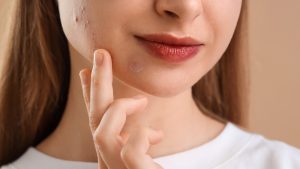
Acne vulgaris is the most common dermatological condition, affecting over 80% of adolescents during their teenage years. It imposes a significant burden of disease, adversely impacting quality of life and mental well-being—including self-esteem and social stigmatization—often independent of clinical severity. The condition is a chronic, relapsing inflammatory disorder of the pilosebaceous unit, which comprises the sebaceous gland, hair follicle, hair shaft, and erector pili muscle.
In recent years, microneedle patch technology has emerged as a promising transdermal delivery system for therapeutics and cosmeceuticals. These patches consist of arrays of microscale needles, typically 50–900 μm in length, that penetrate the stratum corneum without reaching nerve-rich or vascularized dermal layers, thereby enabling enhanced delivery of active compounds across the skin barrier in a minimally invasive manner.
Dissolvable microneedle patches (DMP), fabricated from water-soluble and biodegradable polymers, have attracted particular attention for their capacity to deliver encapsulated agents directly into the skin in a controlled, biocompatible, and sustained-release manner. When loaded with dermo-cosmetic actives, DMP offers a targeted and patient-friendly approach to acne management that addresses key pathogenic factors while improving treatment adherence.
Avcil M, et al., evaluated the efficacy and safety of hyaluronic acid-based microneedle patches (HA-MNP) with agents for the management of an inflammatory disorder of acne. A particular focus was on helping individuals with moderate inflammatory acne.
A single-center clinical trial was conducted over a period of four weeks on acne patients. Measurable skin properties, including sebum content, redness, and severity of inflammation, were evaluated to gauge the overall usefulness of the MN patches.
Treatment with the hyaluronic acid-based microneedle patches led to progressive and statistically significant improvements across all measured parameters. Sebum content decreased by 4.9% after two weeks and by 36.8% after four weeks. Erythema in localized acne lesions was reduced by 47.2% at the two-week mark and by 65.5% at four weeks. The severity of inflammatory lesions improved substantially, with reductions of 68.8% after two weeks and 83.3% after four weeks of treatment. Overall, the patches delivered highly promising outcomes, demonstrating a clear synergistic benefit in acne management with excellent tolerability and no adverse effects reported.
The patches have the potential to be broadly applied as a modular and adaptable approach for therapeutic delivery of actives for various skin diseases and concerns. This study could usher in distinct prospects for incorporating proteins, peptides, and other biologically active molecules into dissolving MNs that target specific pathways, thus facilitating the expansion of multi-functional, highly effective MN patches for various skin concerns.
Reference: Avcil M, Klokkers J, Jeong D, Celik A. Efficacy of dissolvable microneedle patches with skincare actives in acne management: A monocentric clinical Trial. Biologics. 2025;5(2):15.