

Association between facial melasma and ultraviolet-induced nuclear cataracts
Dr. Ramesh Munishamappa
M.B.B.S, MD
Dermatology Venereology, Cosmetology Mesotherapy and Laser Therapy, Chamarajpet skin and laser Centre
Bangalore
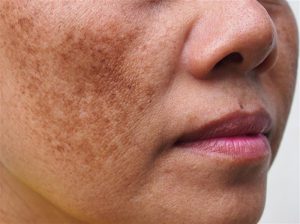
Melasma is a prevalent acquired hyperpigmentation disorder that primarily affects women, particularly those with a dark skin tone. Ultraviolet (UV) radiation, particularly UVA and UVB, is a key trigger of melasma, driving increased melanogenesis and contributing to hyperpigmentation. UV radiation not only causes photochemical damage to cellular DNA, leading to photo-related conditions such as melasma, but also contributes to ocular photoaging diseases. Common eye conditions or diseases associated with UV radiation exposure include those affecting the conjunctiva and cornea (e.g., pinguecula, pterygium, and climatic droplet keratopathy), lens (e.g., cataracts), and retina (e.g., age-related macular degeneration).
A cross-sectional study was conducted to investigate the relationship between facial melasma and UV radiation-related eye diseases in 315 participants aged 30–80 years. Facial melasma was diagnosed clinically and dermoscopically, with severity assessed using the modified Melasma Area Severity Index. Ophthalmological examinations evaluated UV-related ocular conditions, including pinguecula, pterygium, climatic droplet keratopathy, cataracts, and age-related macular degeneration. Logistic regression analyses were performed, adjusting for age, sex, and sun exposure.
Melasma was observed in 208 participants. The most common ocular findings were pinguecula (76.2%), nuclear cataracts (68.6%), and pterygium (37.1%). Only nuclear cataracts showed a significant association with melasma (odds ratio [OR]: 3.239, 95% confidence interval [CI]: 1.966–5.336, p<0.001). Other associated factors with nuclear cataracts included higher body mass index, hypertension, dyslipidemia, and statin use. In multivariate analysis, age (adjusted OR: 1.080, p<0.001) and presence of melasma (adjusted OR: 2.590, p=0.002) remained significantly associated with nuclear cataracts, while regular use of sunglasses was inversely associated (adjusted OR: 0.519, p=0.046).
Receiver Operating Characteristic analysis showed that facial melasma had fair predictive value for nuclear cataracts, with an area under the curve of 0.635, sensitivity of 74.54%, and specificity of 52.53%.
The observed association between facial melasma and nuclear cataracts indicates a common UV-related pathogenesis. Implementing sun protection strategies—such as regular use of sunscreen, UV-protective eyewear, and wide-brimmed hats—may reduce the risk of both conditions.
Reference: Udomwech L, Eden C, Tawanwongsri W. Relationship between facial melasma and ocular photoaging diseases. Med Sci (Basel). 2025;13(2):61.