

7th

Article

Diet and acne: What are the beliefs in patients?

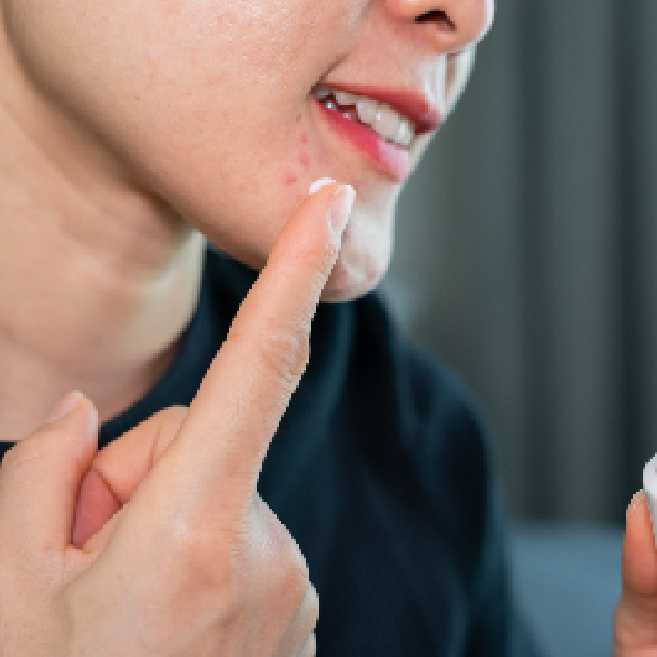
A survey of 793 acne patients in Tehran assessed beliefs about how diet affects acne. Most participants felt sweets, chocolate, and fried foods worsened acne, while fruits, vegetables, and supplements improved it. Beliefs varied significantly by acne severity and skin type. The study highlights the need for better patient education on evidence-based dietary guidance for acne.
Article

Dissolvable microneedle patches for acne treatment

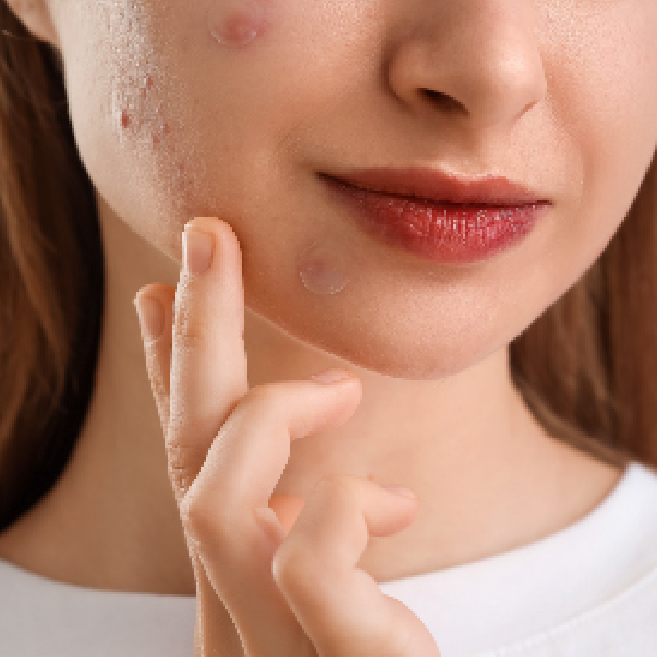
A four-week clinical trial evaluated hyaluronic acid–based dissolvable microneedle patches for moderate inflammatory acne. The patches significantly reduced sebum production, redness, and inflammatory severity, with improvements continuing from week two to week four. No adverse effects were reported, indicating good tolerability. Overall, the patches show strong potential as an effective, adaptable method for delivering skincare actives in acne management.

Article

Proteome insights into acne and insulin resistance

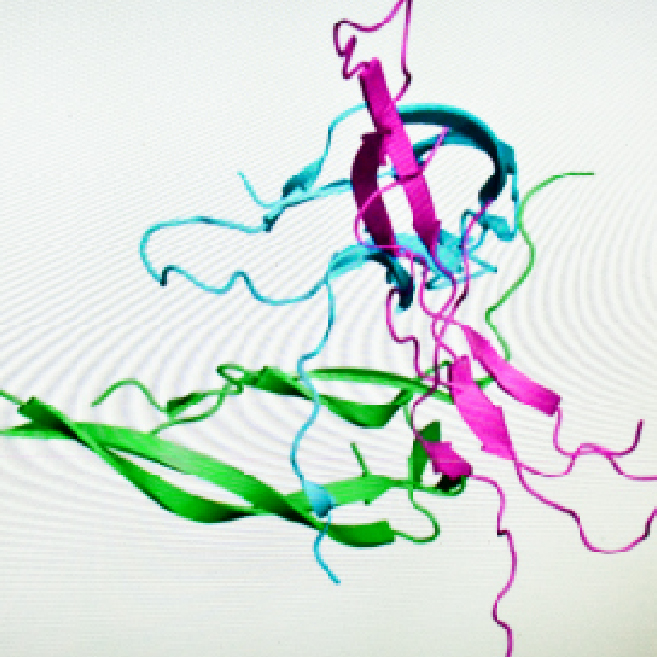
This study used plasma proteomics to investigate links between acne vulgaris and insulin resistance. C4BPA emerged as a key protein, strongly correlating with insulin levels and acne severity. It was enriched in complement and immune pathways, suggesting it may mediate inflammation and metabolic effects. Findings provide a potential mechanistic bridge between insulin resistance and acne.

Article

Acne management with salicylic acid gel

A 21-day clinical trial in 42 participants found that a salicylic acid–containing gel significantly reduced sebum production and acne severity while improving skin hydration and barrier function. Sebum decreased by ~24%, hydration increased by ~41%, and TEWL dropped by ~49%. Acne severity improved by ~24%, and all participants reported satisfaction. The product was well tolerated with minimal, mild side effects.

Login