
Author name: admin

Article

Biologics in the Management of Atopic Dermatitis

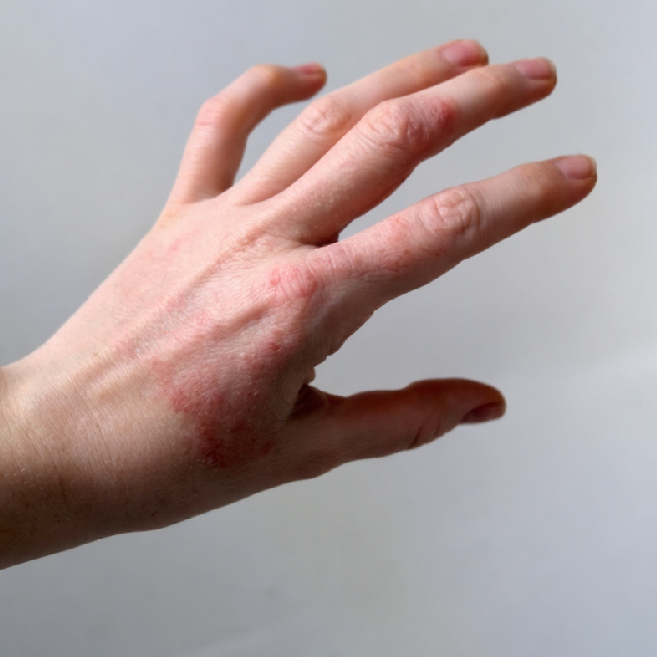
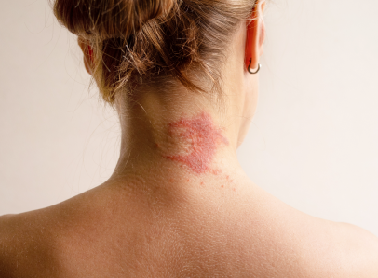
Biologic therapies have transformed the management of moderate-to-severe atopic dermatitis by offering targeted and effective treatment options with improved safety profiles. This article explores the clinical benefits, adverse effects, and future potential of biologics, highlighting their role in improving disease control, reducing itch, and enhancing quality of life through personalized and mechanism-based therapy.
Article

Reapplying Knowledge on Sunscreen and Photoprotection

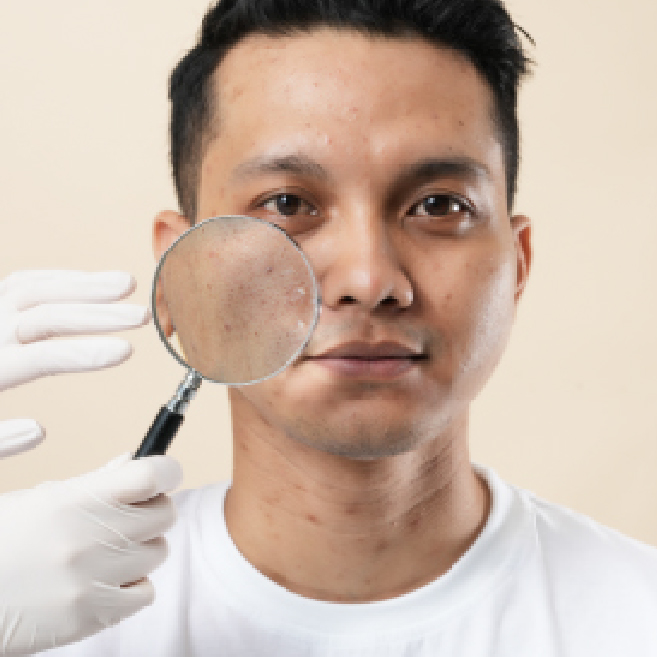
Sunscreen remains a cornerstone of effective photoprotection, playing a vital role in preventing UV-induced skin damage, photoageing, and skin cancers. This article highlights the importance of correct sunscreen selection, application, and reapplication, while emphasizing the need for a holistic sun protection approach that includes protective clothing, shade-seeking behavior, and patient education to improve long-term skin health outcomes.

Article

Factors driving acne severity and scars

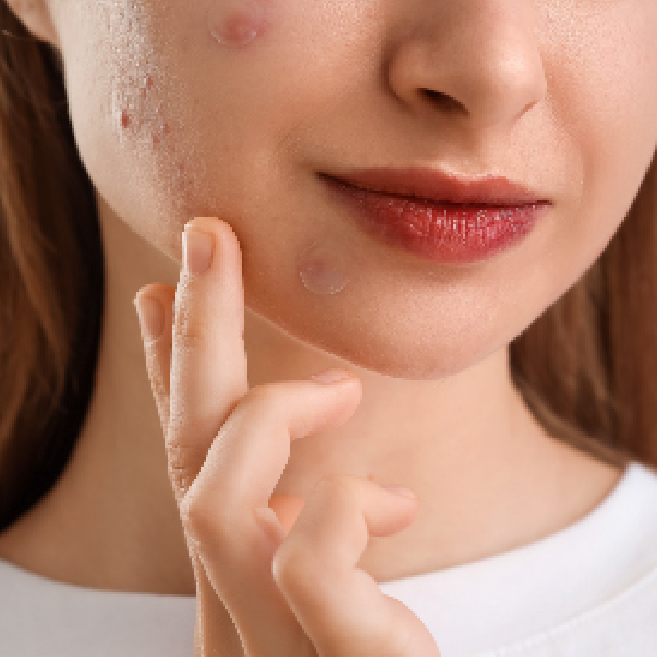
This cross-sectional study of 269 acne patients found that acne scars were present in over 70% of cases. Younger age, early-onset acne, male sex, and severe acne were strongly associated with both the development and severity of scarring. Emotional stress, post-inflammatory hyperpigmentation, and erythema also predicted worse scars. Prior topical or antibiotic use increased scar risk, while isotretinoin was protective. Early recognition of these factors may help prevent scarring and improve long-term outcomes.

Article

Dual laser approach for acne scars

This retrospective study evaluated a new subcision method—subdermal laser-assisted scar subcision (SLASS) combined with fractional CO₂ laser—for rolling atrophic acne scars in 42 patients. Significant improvements were observed on both the ECCA and SCAR-S scales, with notable scar reduction and no severe adverse effects. The technique offers a thermo-mechanical advantage over traditional subcision. Overall, SLASS with CO₂ laser appears effective and safe for rolling acne scars

Article

Diet and acne: What are the beliefs in patients?

A survey of 793 acne patients in Tehran assessed beliefs about how diet affects acne. Most participants felt sweets, chocolate, and fried foods worsened acne, while fruits, vegetables, and supplements improved it. Beliefs varied significantly by acne severity and skin type. The study highlights the need for better patient education on evidence-based dietary guidance for acne.

Article

Dissolvable microneedle patches for acne treatment

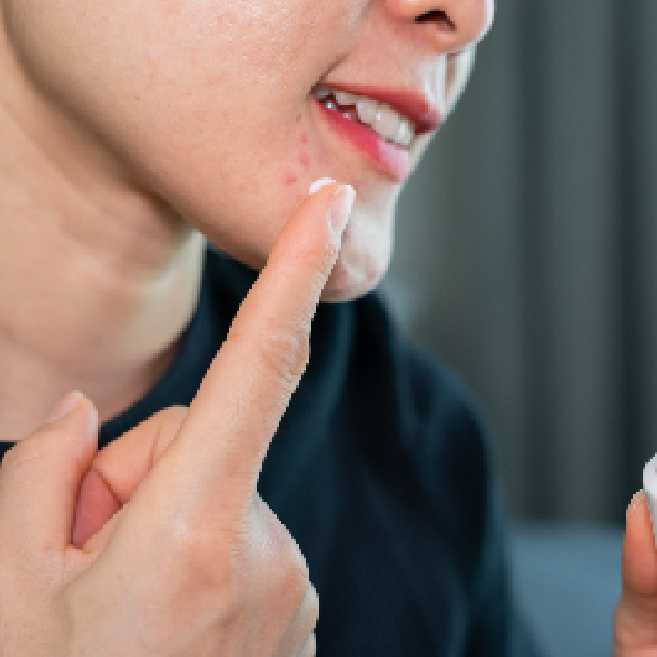
A four-week clinical trial evaluated hyaluronic acid–based dissolvable microneedle patches for moderate inflammatory acne. The patches significantly reduced sebum production, redness, and inflammatory severity, with improvements continuing from week two to week four. No adverse effects were reported, indicating good tolerability. Overall, the patches show strong potential as an effective, adaptable method for delivering skincare actives in acne management.

Article

Proteome insights into acne and insulin resistance

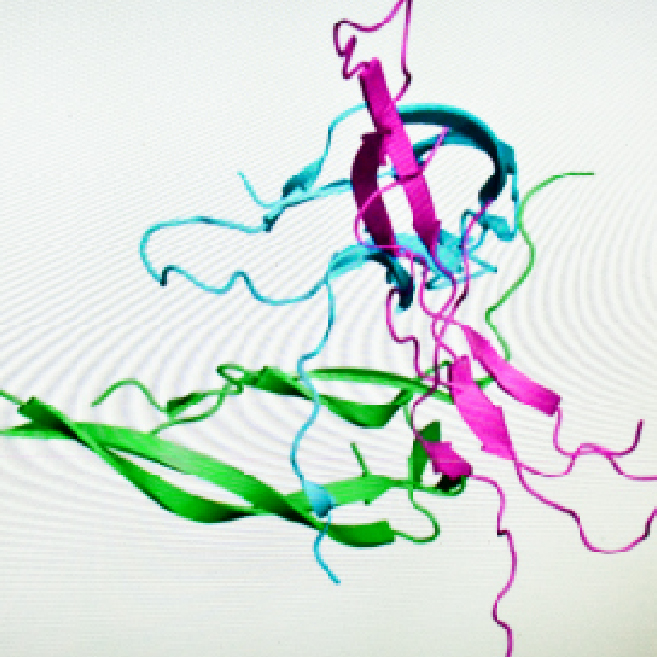
This study used plasma proteomics to investigate links between acne vulgaris and insulin resistance. C4BPA emerged as a key protein, strongly correlating with insulin levels and acne severity. It was enriched in complement and immune pathways, suggesting it may mediate inflammation and metabolic effects. Findings provide a potential mechanistic bridge between insulin resistance and acne.

Article

Acne management with salicylic acid gel

A 21-day clinical trial in 42 participants found that a salicylic acid–containing gel significantly reduced sebum production and acne severity while improving skin hydration and barrier function. Sebum decreased by ~24%, hydration increased by ~41%, and TEWL dropped by ~49%. Acne severity improved by ~24%, and all participants reported satisfaction. The product was well tolerated with minimal, mild side effects.

Article

Efficacy of low-dose minocycline (DFD-29)in rosacea

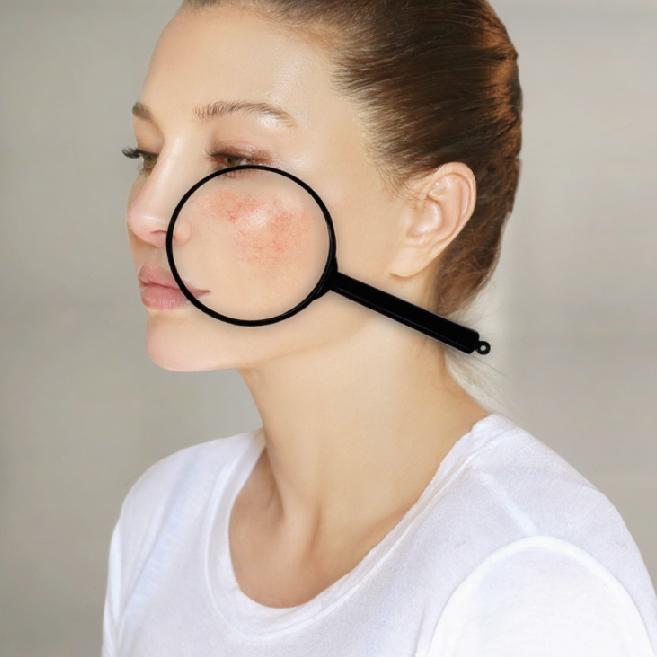
In two phase 3 trials, oral DFD-29 (40 mg) showed significantly greater improvement in rosacea severity and lesion reduction than doxycycline or placebo. The treatment was well-tolerated, with mostly mild adverse events. DFD-29 demonstrated superior efficacy and favourable safety for papulopustular rosacea.

Article

Delgocitinib cream: 52-week hand eczema study

In the phase 3 open-label DELTA 3 extension trial (n=801), adults with chronic hand eczema received delgocitinib cream (20 mg/g) as needed for 36 weeks after completing the DELTA 1 or 2 studies. The treatment was well-tolerated, with few adverse events, most commonly COVID-19 and nasopharyngitis. Clinical responses achieved in earlier trials were maintained or improved through week 36. These findings support the long-term safety and sustained efficacy of delgocitinib cream for up to 52 weeks in adults with chronic hand eczema.

Login