
Article

Article

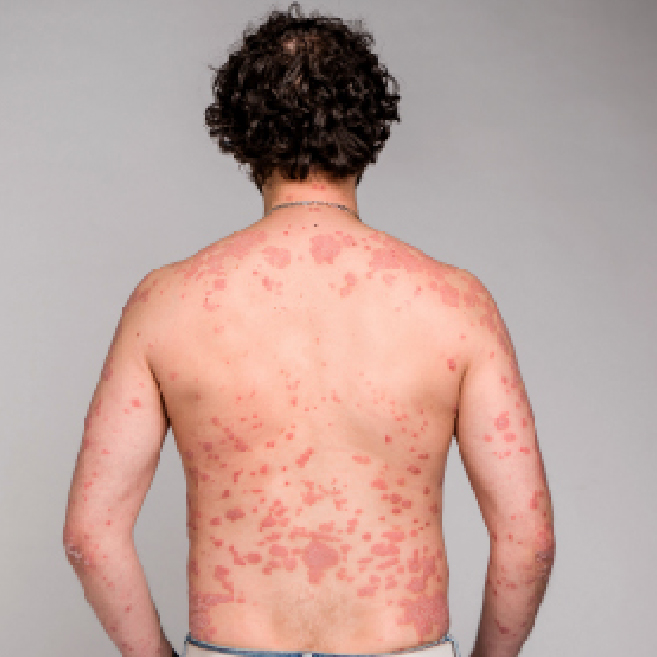
Obesity may reduce efficacy of psoriasis therapies

Psoriasis is strongly associated with obesity, which can reduce the efficacy of biologic and conventional therapies, increase side effects, and affect drug survival. An expert panel reviewed available evidence and developed consensus recommendations to optimize care for this population. Weight control is an essential component of psoriasis management, alongside expanding therapeutic options.
Article

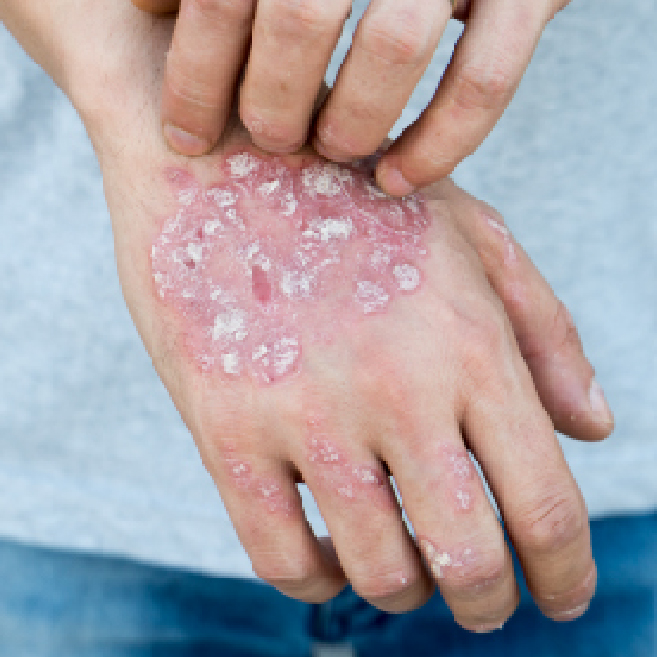
Risk of death higher in people with vs without psoriasis

Psoriatic disease is linked to an increased risk of all-cause mortality compared to individuals without the condition, even after adjusting for comorbidities. The risk appears higher in psoriasis but not in psoriatic arthritis, with a possible increase among those receiving biologic therapy.

Article

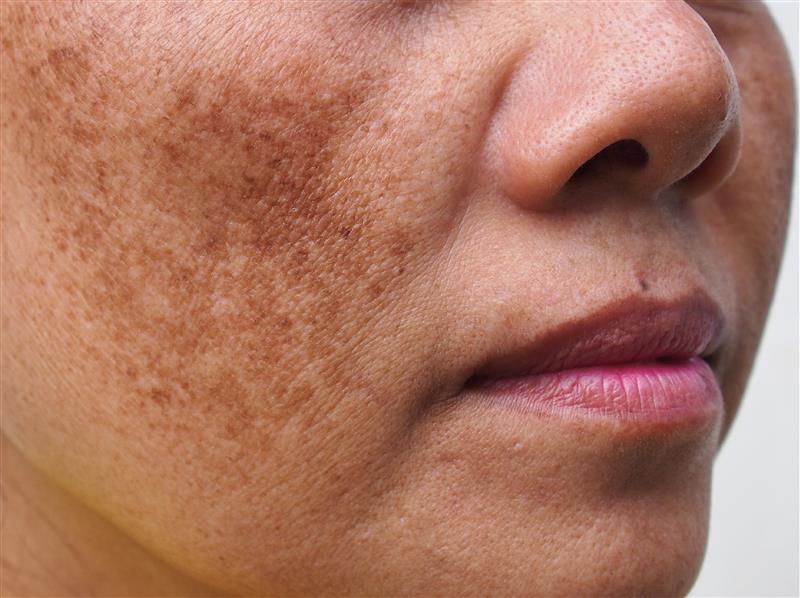
Facial melasma and ocular photoaging diseases

Facial melasma and nuclear cataracts share ultraviolet (UV) exposure as a common risk factor, but their association remains underexplored. Individuals with melasma have been shown to have a 2.6-fold higher risk of developing nuclear cataracts.

Article

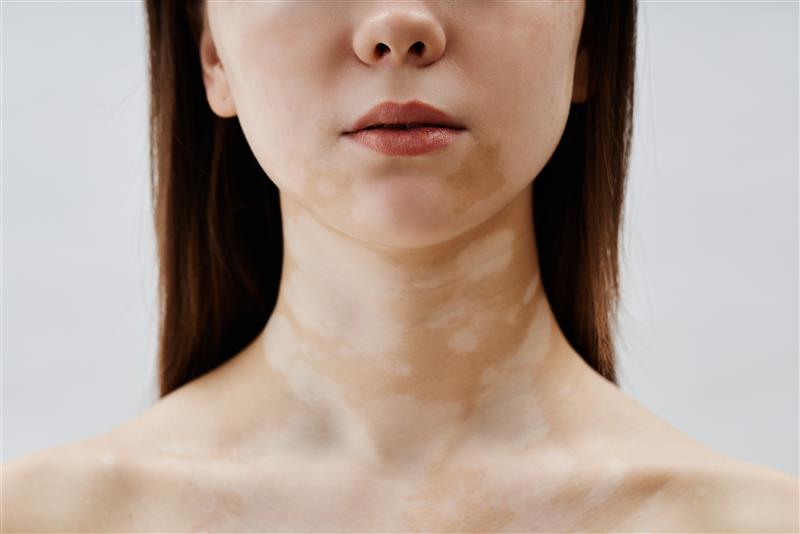
Predicting vitiligo recurrence: Candidate biomarkers and models

Vitiligo is a chronic autoimmune skin disorder prone to recurrence after treatment. This study identified key inflammatory cytokines—IFN-γ, CXCL9, CXCL10, CXCL11, and IL-6—as potential plasma biomarkers for predicting vitiligo relapse. IFN-γ was found as an independent predictor, supporting its clinical utility.

Article

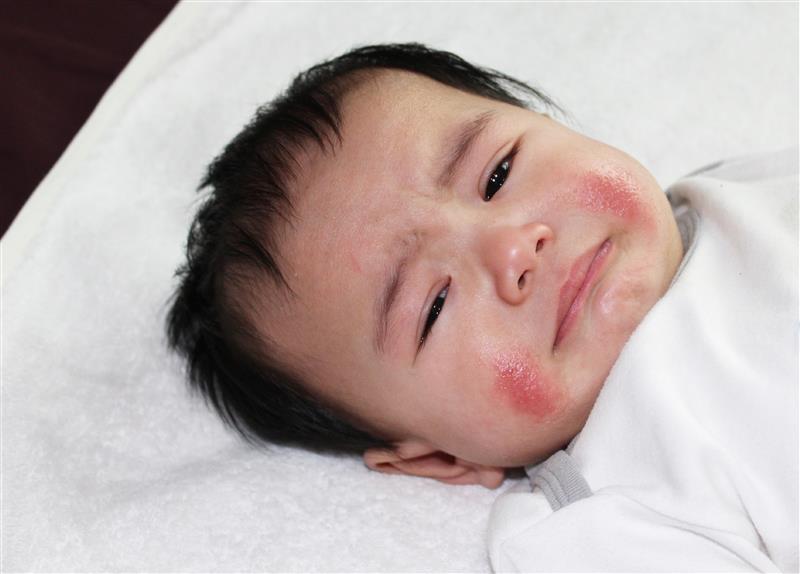
Protein-bound ceramides in early life as predictors of atopic dermatitis

Reduced levels of protein-bound ceramides (POS) in the skin at 6 weeks of age are associated with an increased risk of developing atopic dermatitis (AD) by age 1. The strongest predictive lipid was PO30:0-C20S, especially for non-sensitized AD. These findings suggest that early lipid biomarkers may help in predicting and potentially preventing AD

Login